Petobots is an NFT-based GameFi game

petobots
0
the challenge
addictive gameplay
This is my first experience designing a full-fledged browser game, so I had to adapt my design skills and study player psychology to achieve engaging gameplay


building
the universe
the universe
The Goal
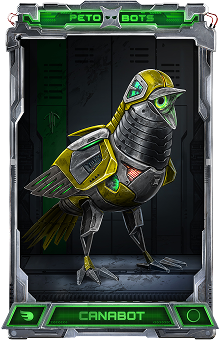
Define the look and feel of a "Petobot"
Rapid Iteration
Used AI generation to explore hundreds of visual directions fast
Creative Direction
Curated the best concepts and paired with 2D artists for final refinement
Scalability
Built a unified system ensuring consistency across menus, cards, and animations


Gameplay structure
02
Each Petobot has four zones — one for attack, two for defense, one neutral
Players choose which zones to hit and protect each turn
Stats (health, armor, attack, penetration, dodge) decide outcomes
We tested hit timing, animation feedback, and round pacing to keep fights readable, fast, and replayable


02


Designing for replayability
Turning complex GameFi mechanics into fast, rewarding player habits
Based on the data, we adjusted battle pacing and win animations to make every round feel worth repeating
mobile first approach
02
Designing for replayability
Turning complex GameFi mechanics into fast, rewarding player habits
Based on the data, we adjusted battle pacing and win animations to make every round feel worth repeating
mobile first approach
Launch & impact
What I learned
Petobots launched across web and desktop with full NFT integration. This project expanded my field beyond product design — into game systems, AI-assisted asset creation, and player psychology. It changed how I think about motivation and feedback loops in any digital product
Deeper Engagement
Session length averaged +28% longer
Marketplace Activity Booms
Marketplace activity hit 1.6× average trade volume
Skyrocketing Retention
Player return rate after week 1 was +32% higher
Resilient Early Traction
Play-to-earn retention (active wallets per week) held steady at 74%
Compared to similar GameFi titles in the first three months:
